

Blog
How to Integrate New PLC Systems With Legacy Equipment (Without Costly Downtime)

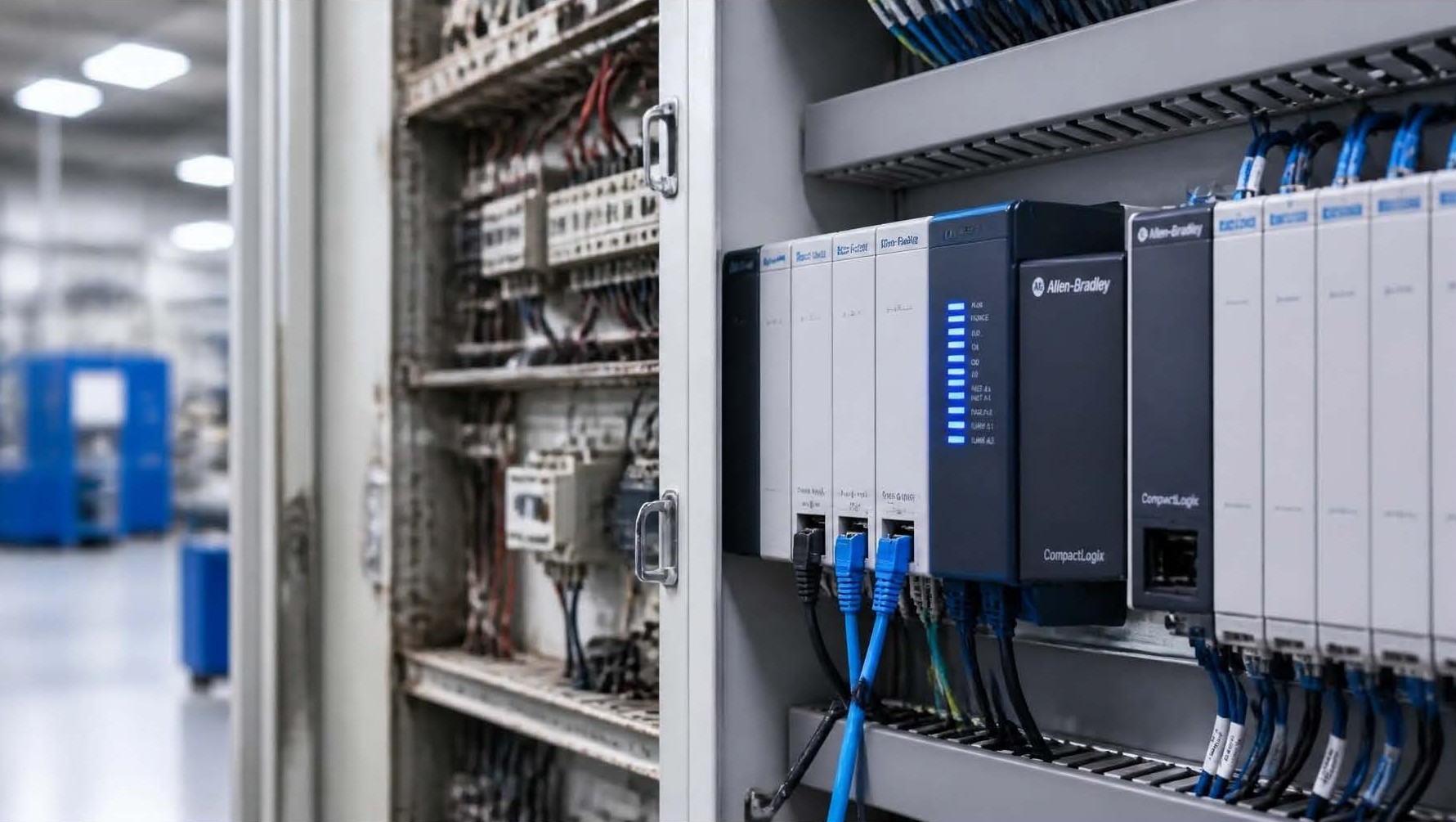
For many manufacturing facilities, the dilemma is constant: the existing Programmable Logic Con-troller (PLC) infrastructure is aging, yet the cost of a full production shutdown for a complete “rip-and-replace” is prohibitive. Operating on legacy hardware like SLC-500, PLC-5, or older Siemens
S7-300 systems introduces significant risks, including hardware obsolescence, lack of vendor support, and an inability to integrate with modern Industrial Internet of Things (IIoT) or SCADA platforms.
The solution is not a blind overhaul, but a strategic, phased integration. At PrimeTech Automation, we leverage over 20 years of industry experience to bridge the gap between decades-old machin-ery and modern automation standards. This guide outlines the technical roadmap for integrating new PLC systems into legacy environments while maintaining operational continuity and minimizing downtime.
The Technical Challenges of Legacy Environments
Legacy systems often act as “black boxes.” Over time, original documentation is lost, and the engi-neers who programmed the logic may have retired. Integrating modern controllers into this environ-ment presents several critical hurdles:
- Incompatible Communication Protocols: Modern systems rely on Ethernet/IP, Profinet, or OPC UA. Legacy hardware frequently uses proprietary or deprecated serial-based protocols like DH+, DeviceNet, or RS-485.
- Physical Footprint and Wiring: Modern PLCs are significantly more compact than their predeces-sors. Retrofitting them into existing UL 508A certified control panels requires precise spatial plan-ning and I/O mapping.
- Code Conversion and Logic Gaps: Converting legacy ladder logic into modern Structured Text (ST) or Function Block Diagrams (FBD) is rarely a 1-to-1 “Ghost code”: undocumented logic loops: can cause unpredictable behavior during migration.
Step 1: The Multi-Phase System Audit
Successful integration begins with a comprehensive audit. You cannot modernize what you do not fully document. Our Automation & Integration division follows a rigorous discovery process:
- Hardware Inventory: We catalog every PLC, I/O module, and remote We identify compo-nents that are “end-of-life” (EOL) and present the highest failure risk.
- Network Mapping: We document the existing network topology to determine where data bottle-necks occur and where gateway solutions are required.
- Logic Backup and Verification: We extract and verify all existing logic. This includes identifying hard-coded values that may need to be modernized for better data visibility and process
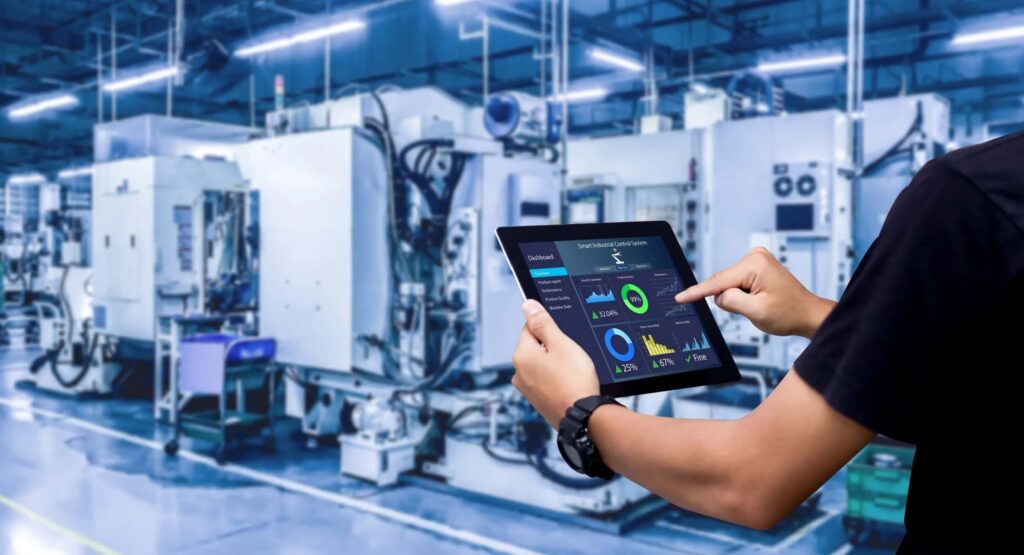
Strategy: The “Zero-Downtime” Phased Migration
The primary goal for facility managers is to avoid the “big bang” implementation. Instead, we recom-mend a phased migration strategy that allows for testing in parallel with live operations.
Utilizing Shadow Systems and Parallel Testing
One of the most effective ways to ensure reliability is the deployment of a shadow system. This in-volves installing the new PLC platform alongside the legacy controller. The new system “listens” to the same I/O inputs but does not yet control the outputs.
By comparing the performance of the new logic against the legacy system in real-time, our engineers can validate the code and ensure all interlocks and safety parameters are functioning correctly be-fore the final cutover. This approach reduces the risks associated with unexpected system behavior during the go-live phase.
Implementation of Industrial Gateways
When a full network overhaul isn’t feasible in a single step, industrial gateways serve as the essential bridge. These devices act as protocol translators, allowing a modern Rockwell ControlLogix or Siemens S7-1500 to communicate directly with legacy field devices.
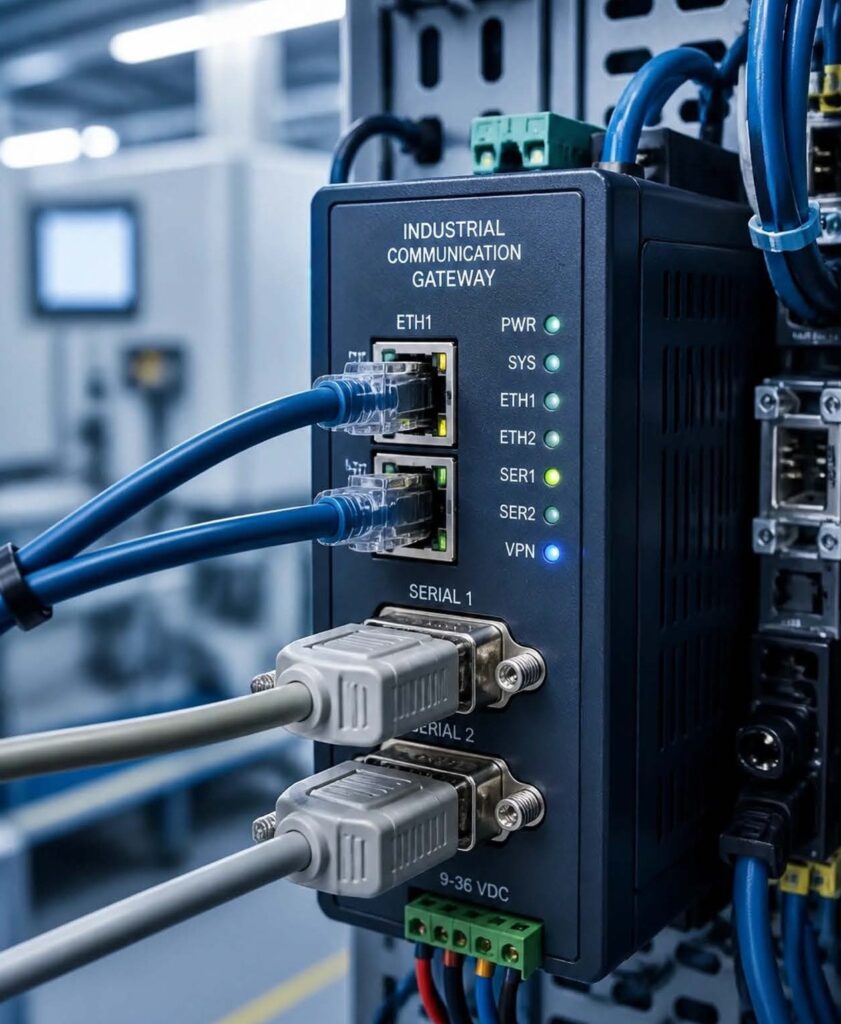
By implementing gateways, facilities can modernize their central processing power and SCADA visi-bility while retaining existing field wiring and instrumentation, spreading the capital expenditure over multiple fiscal years.
Technical Execution: Precision Wiring and Panel Overhauls
A common failure point in PLC migrations is the physical transition of I/O. Decades-old wiring can be-come brittle, and labels often degrade. PrimeTech’s Instrumentation & Electrical (I&E) Division en-sures the physical layer is as robust as the software logic.
- I/O Swing Arms and Conversion Kits: For many legacy Allen-Bradley systems, we utilize conver-sion kits that allow the new I/O modules to plug directly into existing terminal blocks. This mini-mizes rewiring time from days to hours.
- Structured Cabling Upgrades: Through our Low Voltage (LV) Division, we install high-reliability copper or fiber-optic backbones to support the increased bandwidth requirements of modern au-
- Code Compliance: Every integration project is audited for compliance with NEC and NFPA 70E
standards, ensuring that modernized panels meet current safety and regulatory requirements.
Project Highlight: Reducing Downtime in Chemical Processing
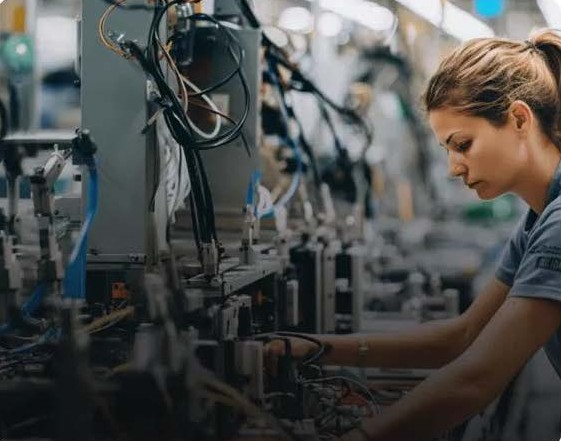
Problem: A regional chemical plant was operating on a legacy PLC-5 system that had become un-supportable. The risk of a spontaneous CPU failure threatened a potential loss of $50,000 per hour in production downtime. A traditional replacement would have required a 14-day total shutdown.
Solution: PrimeTech Automation implemented a phased module swap. We installed a modern Con-trolLogix gateway to mirror the legacy I/O data. Over a series of four planned 8-hour maintenance windows, we replaced I/O racks and converted the logic using a “shadow” validation method.
Result: The plant achieved a full system modernization with zero unplanned downtime. The new system provided enhanced data visibility and integrated seamlessly with their new Ignition SCADA platform, resulting in a 15% increase in process efficiency.
Why PrimeTech Automation?
The complexity of legacy integration requires more than just a programmer; it requires a single-source partner who understands the entire industrial ecosystem. At PrimeTech Automation, we pro-vide:
- Turnkey Accountability: From the initial design in our UL 508A Panel Shop to the final calibra-tion by our I&E technicians, we manage every aspect of the project.
- Scalable Reliability: We don’t just fix today’s problem; we build systems designed for long-term reliability and future expansion.
- Proven Track Record: With over two decades of experience across oil & gas, manufacturing, and water treatment, we have the technical depth to handle the most complex legacy environments.
Conclusion: Take Control of Your Modernization Path
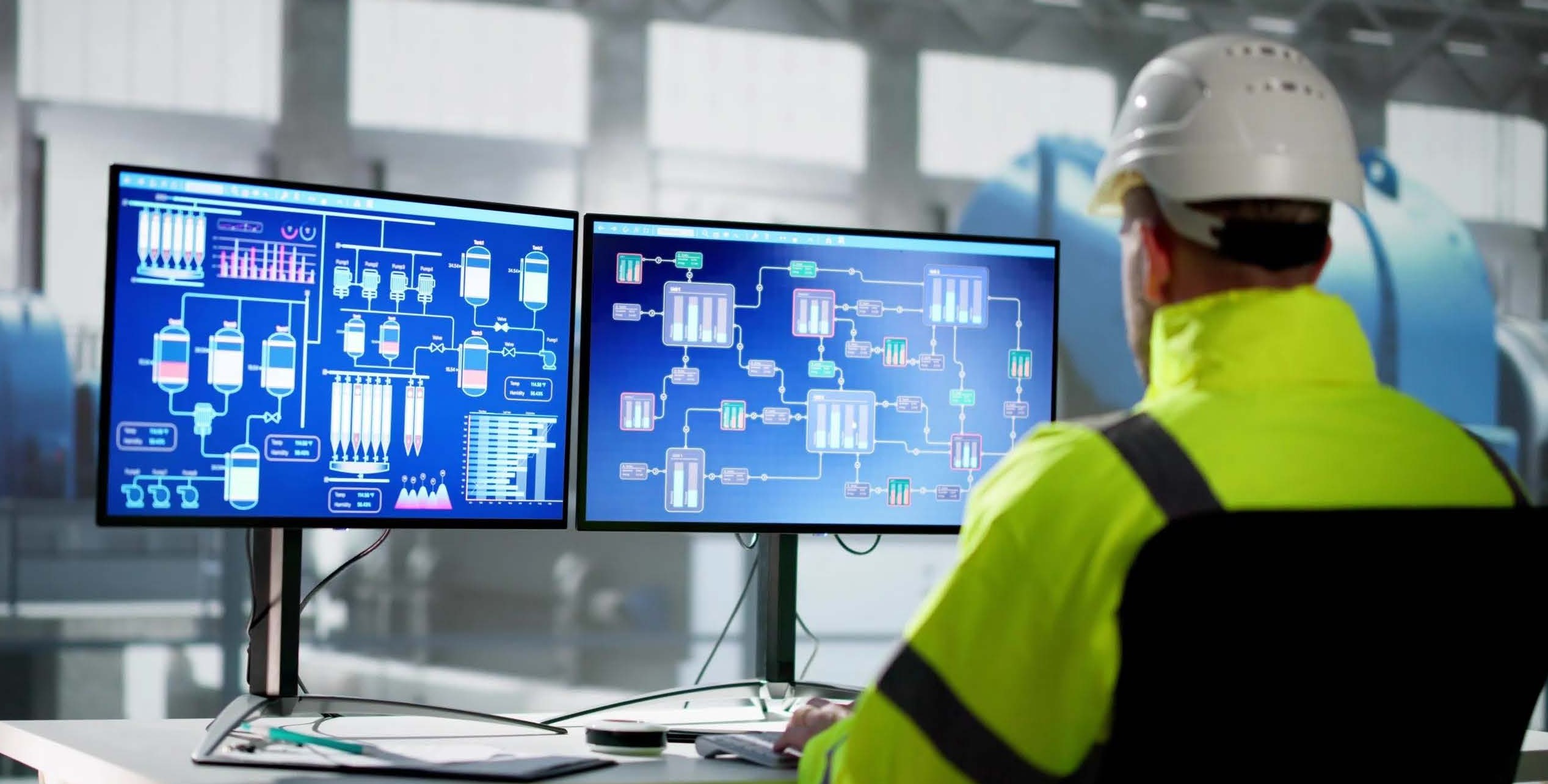
Legacy equipment does not have to be a liability. By adopting a structured, technical approach to PLC integration, your facility can gain the benefits of modern automation and integration: improved ef-ficiency, better data, and enhanced safety: without the catastrophic costs of unplanned downtime.
Ready to evaluate your legacy infrastructure?
Contact PrimeTech Automation today to schedule a comprehensive system audit. Our team of ex-perts will help you design a modernization roadmap that fits your operational needs and budget.
PrimeTech Automation LLC Comprehensive Industrial Solutions www.primetechtx.com